Table of Content
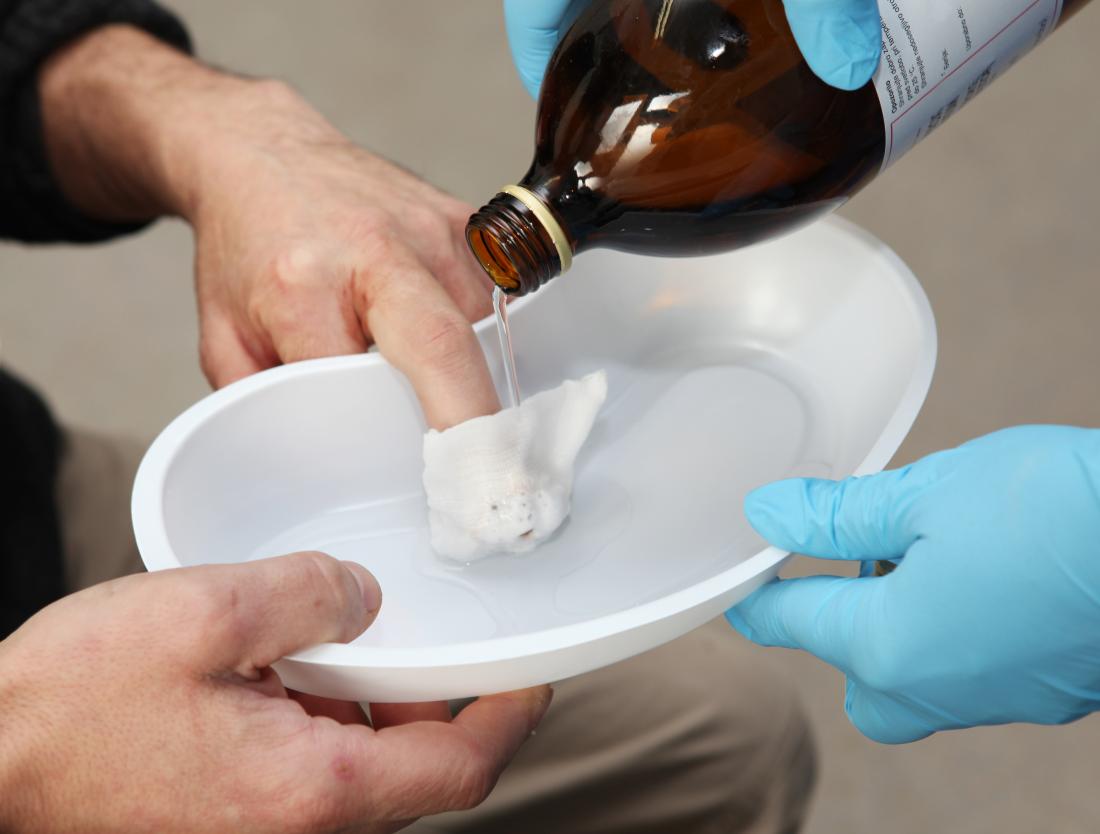
Place them into the pre-boiled water for a few minutes then carefully remove them with a pair of tongs or a slotted spoon. It’s used to clean wounds, clear sinuses, and treat dehydration. It can be applied topically or used intravenously.
Mix 1 tsp goldenseal powder with 1 cup of warm, distilled/purified water. Steep the powder for five minutes, strain, and use the liquid tea as a nasal rinse. Combine 1 tsp of triphala powder with 1 cup of warm, distilled/purified water. Steep for five minutes before straining the solids out. Use only the liquid tea for your nasal rinse.
Baylor College of Medicine Blog Network
Do not apply the homemade saline solution to the eyes. If you have a nasal allergy such as to pollen, a saltwater nasal spray may be one to consider. Do this as many times within a 2 hour period and blow your nose occasionally until each ear/nostril is cleared. This article was co-authored by Farah Khan, MD. Dr. Farah Khan is a Board Certified Allergist and Immunologist who graduated from fellowship in 2020. She specializes in asthma, food allergy, skin conditions, and rhinosinusitis care, and treats both adult and pediatric patients. Dr. Khan holds an MD from Ross University School of Medicine.

A sinus flush can be effective at relieving nasal congestion and irritation, caused by a sinus infection, allergies, or a cold. Research supporting the use of saline flush to treat allergies or the common cold is less definitive. The solution will go into your nasal cavity and run out the other nostril. Adjust the position of your head to keep it from running down the back of your throat. Gently blow your nose and spit out the drainage to clear the nasal passages and throat.
thoughts on “Make your own saline rinse: Combat sinus infections”
But children of any age need supervision, guidance and a helping hand to use their nasal saline spray efficiently and safely. People can irrigate their nasal passages with saline solution to relieve the symptoms of sinusitis, colds, and allergies. Nasal irrigation moisturizes the nose and removes excess mucus and bacteria. Use the bulb syringe to collect some of the saline rinse. Tip your head back and insert the nasal saline your nose, one nostril at a time. Allow the salt water to penetrate and moisten the dry tissues in your nose.

Sometimes, adjusting the rinse mixture can be helpful if you find it irritating. It's important too to ensure proper hygiene—be sure to clean your device thoroughly and use only boiled or distilled water. For children, only perform a nasal sinus rinse under the guidance of their pediatrician. To make saline nasal spray, start by boiling 8 ounces of water, which will kill off any dangerous microbes in the water. After the water starts to boil, let it cool slightly until it's very warm but not hot. Then, add a 1/4 teaspoon of salt and stir until the salt dissolves.
Healthy Habits: A DOC-umentary Series
Typically, this is done by mixing warm, sterile water with pure salt, known as sodium chloride, to create an isotonic solution. Typically, for allergy sufferers, I recommend irrigating the sinuses once every day to every other day with 8 ounces of salt water. There is data that indicates over irrigating the sinuses can deplete natural immune cells that reside in the mucus of the sinuses. I would not recommend irrigating more than once a day. Prepare a jar to hold your saline solution before you begin. Using hot water and soap, wash the container and lid thoroughly, or put it in the dishwasher.

Research suggests that bacteria can grow in homemade saline solution within 24 hours, and that bacteria are less likely to grow when saline is chilled. Where possible, store the solution in the refrigerator. People can use homemade saline solution to rinse the sinuses and eyes. Use homemade saline to clean wounds and piercings, irrigate your sinuses, rinse your mouth, or clean out your ears. Mix 2 teaspoons (8.4 g) of non-iodized salt in 4 cups (0.95 L) of distilled or boiled water.
How often should you flush?
Most sinus infections resolve on their own within 10 days, but here are some things you can do to help get rid of sinusitis and improve your symptoms. Tilt your head downward over a sink and rotate to the left. Squeeze half of the solution gently into the right nostril. In a few seconds the solution should come out through your left nostril. Add 1 teaspoon of the mixture to 8 ounces of lukewarm distilled or boiled water.

You may be wondering how to make nasal saline. This simple remedy is an excellent choice for people who suffer from sinus problems. It is also a good option for people with back throats, since it doesn’t hurt to apply it over the sink or shower.
Warm milk and glycerin can also be used to make the rinse more soothing. Add 1 tsp to 1 Tbsp of either option to the rinse. Steam inhalers are used as personal saunas for skin care or for supporting respiratory health. We created a list of steam inhalers to suit your needs.
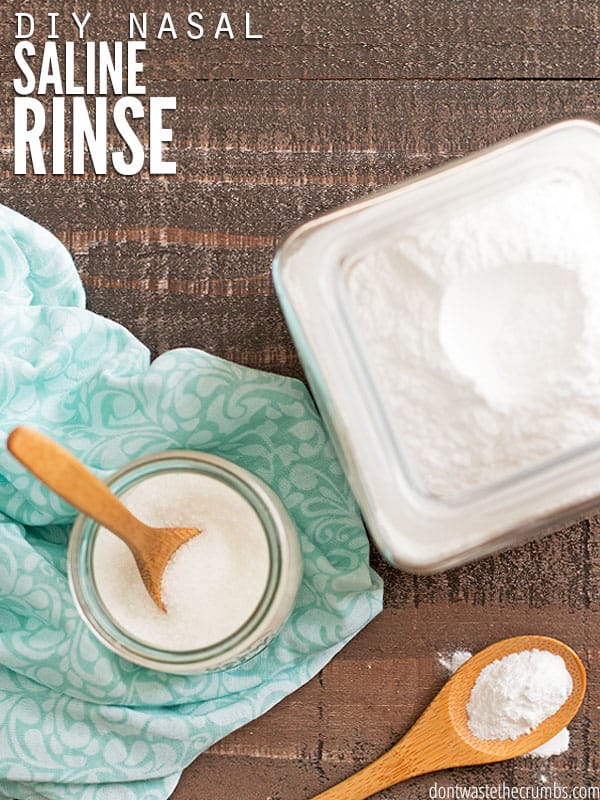
You can also add a 1/2 teaspoon of baking soda, which will adjust the pH of your saline spray so it doesn't burn your nose when you use it. Finally, let the solution come to room temperature before using it. Nasal saline irrigation has been shown to be a beneficial therapy in the treatment and prevention of sinus infections and allergic rhinitis. This non-pharmacologic therapy involves rinsing the nasal passages with a salt-water solution, helping to rid the nose of allergens and thin out mucus. Dryness within the nose is treated with sterile saline solution . It helps to add moisture to the nose, allowing thick or crusty mucus to melt and soften.
As with any medical product, be sure to speak to your doctor about using sinus rinses and stop using if you experience pain, nosebleeds or other problems. Once a sinus infection occurs, the irrigations can also serve to flush out the pus from inside the sinuses and keep the sinuses open. By doing this, many of my allergy suffers no longer require the use of allergy medications. Irrigation has been shown to improve nasal hygiene and decrease the swelling caused by nasal irritants. The saline irrigations can also help prevent recurring sinusitis.

Saline irrigation may need to be performed on a daily basis for people with severe symptoms, or less often, as symptoms improve. The most convenient way to perform a sinus rinse is in the shower, but it may also be performed over a sink. Try not to let the water go down the back of your throat. You may need to adjust your head position until you find the correct angle.
If you use table salt, you may be getting a preservative and/or additive which might irritate your nose. Sinus rinses are safe for most people to use. However, they must be used correctly to ensure safety. Boiling your water for at least a minute and then allowing it to cool before mixing in the salt should be sufficient to kill the parasite and prevent infection.

You just made your own homemade saline nasal spray. Saline solution makes an excellent nasal wash. When flushed through your nasal passages, saline can wash away allergens, mucus, and other debris.


No comments:
Post a Comment